 New Parent Lab
Best snacks for busy kids: 4 questions to ask before you buy
A good snack for a busy kid survives the bag, pairs protein with a carb, and gets eaten without a fight. What to pack, where pouches fit, and when water is enough.
Some links in this article are affiliate links: if you buy through one, we may earn a commission at no extra cost to you. As an Amazon Associate we earn from qualifying purchases. How affiliate links work here
The best snacks for busy kids are the ones that survive being squashed, pack some protein or fat next to a carbohydrate, and get eaten without an argument. A snack has one job: carry a child from one meal to the next without a meltdown in the car park at 5pm. The flavour name and the cartoon on the box do nothing for that job.
That is a low bar, and plenty of supermarket snacks still miss it. The useful skill is reading a snack the way you would read a piece of gear: what does it actually do, how much mess does it cost you, and would you buy it again next week.
Four questions to ask before a snack goes in the bag
Run anything you are about to buy in bulk through these first.
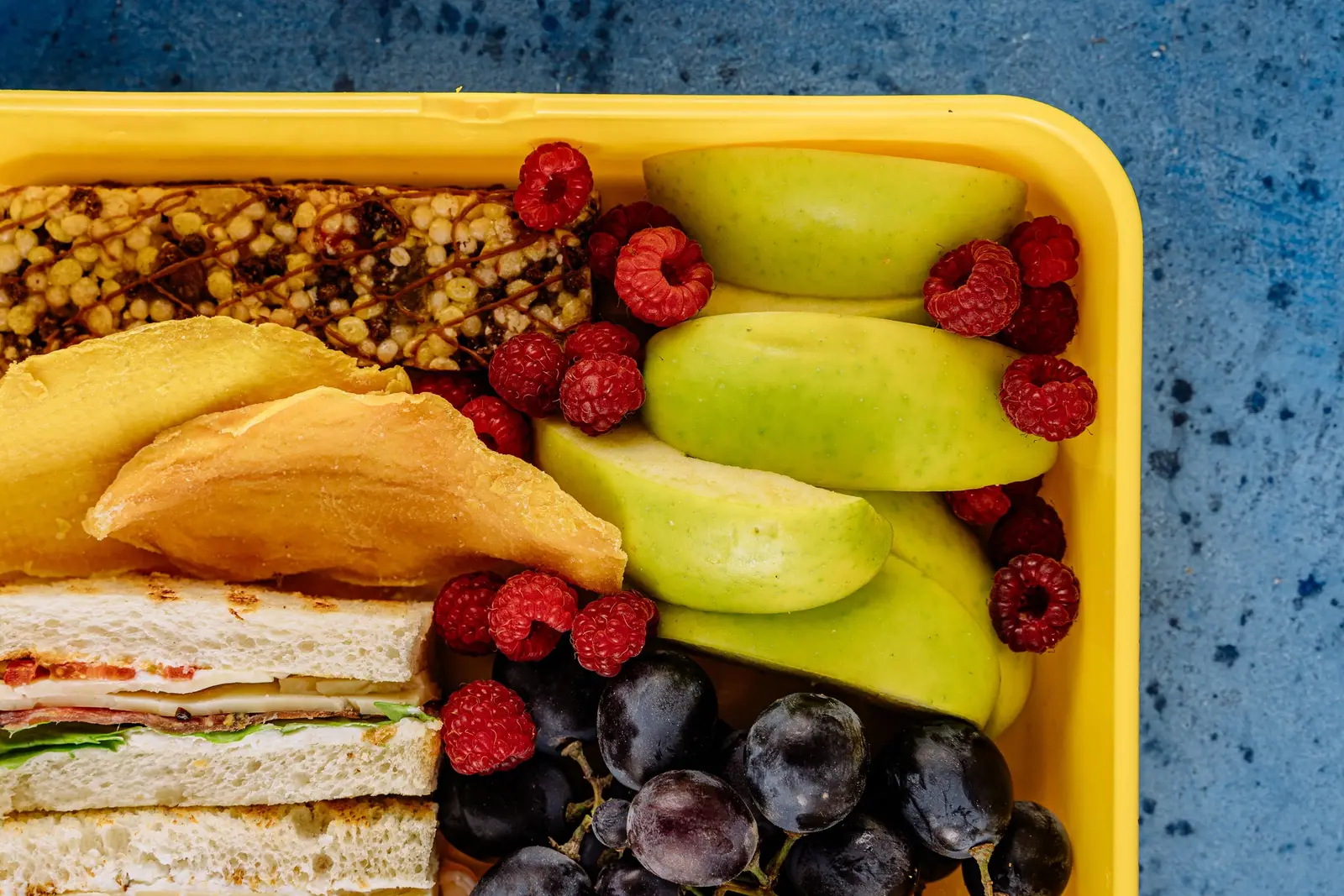
- Does it survive being squashed, shaken and sat on? A snack that arrives as crumbs is one your kid will not eat, and you paid for it anyway. Firm fruit, sealed pouches, cheese sticks and dense oat bars travel well. Soft sandwiches, berries and anything in a paper bag do not.
- Is there protein or fat next to the carbohydrate? Plain crackers or a fruit pouch on its own gets eaten fast and forgotten. Add cheese, yogurt, hummus, a boiled egg or nut butter and it holds a child for longer. Check your school's nut policy before you rely on peanut butter.
- Can it be eaten one-handed, with no plate and no wipe? If a snack needs a spoon and a flat surface, it is picnic food, not bag food. For children under four, skip whole grapes, whole nuts, popcorn and hard chunks of raw carrot, and cut grapes lengthways into quarters.
- Would you be happy buying it every week for a year? Children find a favourite and stay there. If the answer is no, do not start.
Where pouches earn their place
Pouches became the default busy-parent snack for obvious reasons. They are sealed, light, mess-free and need no cutlery, and they do not spoil in a warm car over an afternoon. Once Upon a Farm's new Electrolyte Blends are fruit-and-veggie purée pouches built on coconut water and sea salt alongside fruit and vegetables. The range has three; the two named are Strawberry Kiwi and Apple Berry Punch. They are organic, and the brand markets them as supporting daily hydration and electrolyte balance.
Once Upon a Farm Electrolyte Blends
They are sealed, light, mess-free and need no cutlery, and they do not spoil in a warm car over an afternoon.
Read the ingredient list rather than the front of the pouch. Coconut water and sea salt are doing the electrolyte work in this range. With any pouch, compare how much of the sweetness comes from fruit and how much from juice concentrate or added sugar.
Treat a pouch as one part of a snack. Serve it with something to chew, such as a cheese stick, a few crackers or half a piece of toast, or your kid will be asking again before dinner.
What to pack for each part of the day
- Lunchbox: leftovers or a sandwich, cheese or a yogurt, fruit that travels well, and something crunchy.
- Sports bag: the water bottle first, then a carbohydrate with protein. Banana and a cheese stick, crackers and hummus, or a pouch plus a cereal bar. On a long, hot practice, add an electrolyte pouch.
- Day out with a cooler: sealed pouches, firm fruit, crackers, and nothing that needs an ice pack if the cooler will sit in the car for hours.
- Car stash: shelf-stable, non-melting, nothing greasy. Cereal bars, plain crackers, pouches.
Notice what is missing from that list: nothing that needs a fridge, nothing that leaks, nothing that turns to mush in a warm car.
The hydration question
Water covers almost every ordinary day, including a normal school day with one PE lesson in it. Electrolytes matter more when a child is sweating heavily in the heat, playing a long tournament, or getting over a stomach bug that has cost them fluids. If your child is vomiting, has diarrhoea, or is refusing to drink, call your doctor or health visitor rather than working your way along the pouch shelf. That is a medical question, and no snack solves it.
Snacks worth limiting
Anything that is mostly sugar with nothing alongside it gets eaten and leaves your kid hungry an hour later. That covers fruit snacks, a juice box on its own, and most of what is marketed with a cartoon on the front. Sticky dried fruit and chewy sweets sit against teeth, so give them with a meal where you can rather than as a standalone snack, and keep the last snack of the day before teeth brushing.
Watch the volume too. A child who grazes from 3pm to 6pm will not eat dinner, and then you are making toast at 8pm. Sit down for a snack where you can, put it on a plate, and let snack time end.
Combinations that work
- Apple slices and cheddar
- Crackers and hummus
- Yogurt pouch and an oat bar
- Banana and a cheese stick
- Toast with nut butter, or sunflower seed butter for a nut-free school
- Leftover pasta in a flask
- Electrolyte pouch and crackers on a hot sports day
None of those need a recipe or a special trip. Buy the three or four your kid actually eats in bulk, and keep them where you can grab one on the way out of the door.
Frequently asked questions
- What is a good snack for after school?
- Something with protein or fat plus a carbohydrate, eaten sitting down if you can manage it. Apple and cheese, crackers and hummus, or a yogurt with a piece of toast all work. Keep the portion small enough that dinner still happens.
- Are fruit pouches bad for kids?
- No. A purée pouch is a practical way to serve fruit and vegetables, and a sealed pouch travels better than fresh fruit. Treat it as one part of a snack and pair it with something to chew. Check the label for added sugar if you buy them often.
- How many snacks does a child need in a day?
- Most young children do well with one mid-morning and one after school, plus their meals. Appetite changes a lot from week to week. If you are worried about growth, or your child never seems hungry, raise it with your health visitor or doctor.
- Can I put an electrolyte pouch in a lunchbox?
- Yes. They are sealed and need no refrigeration, which is why they suit lunchboxes and sports bags. On an ordinary school day, water is enough. Save the electrolyte pouch for heat, long activity or a child getting over illness.
- Which snacks should I avoid for a busy kid?
- Anything that is mostly sugar with no protein or fat beside it, anything that melts or leaks in a bag, and choking shapes for children under four: whole grapes, whole nuts, popcorn and hard raw carrot.
More guides for you
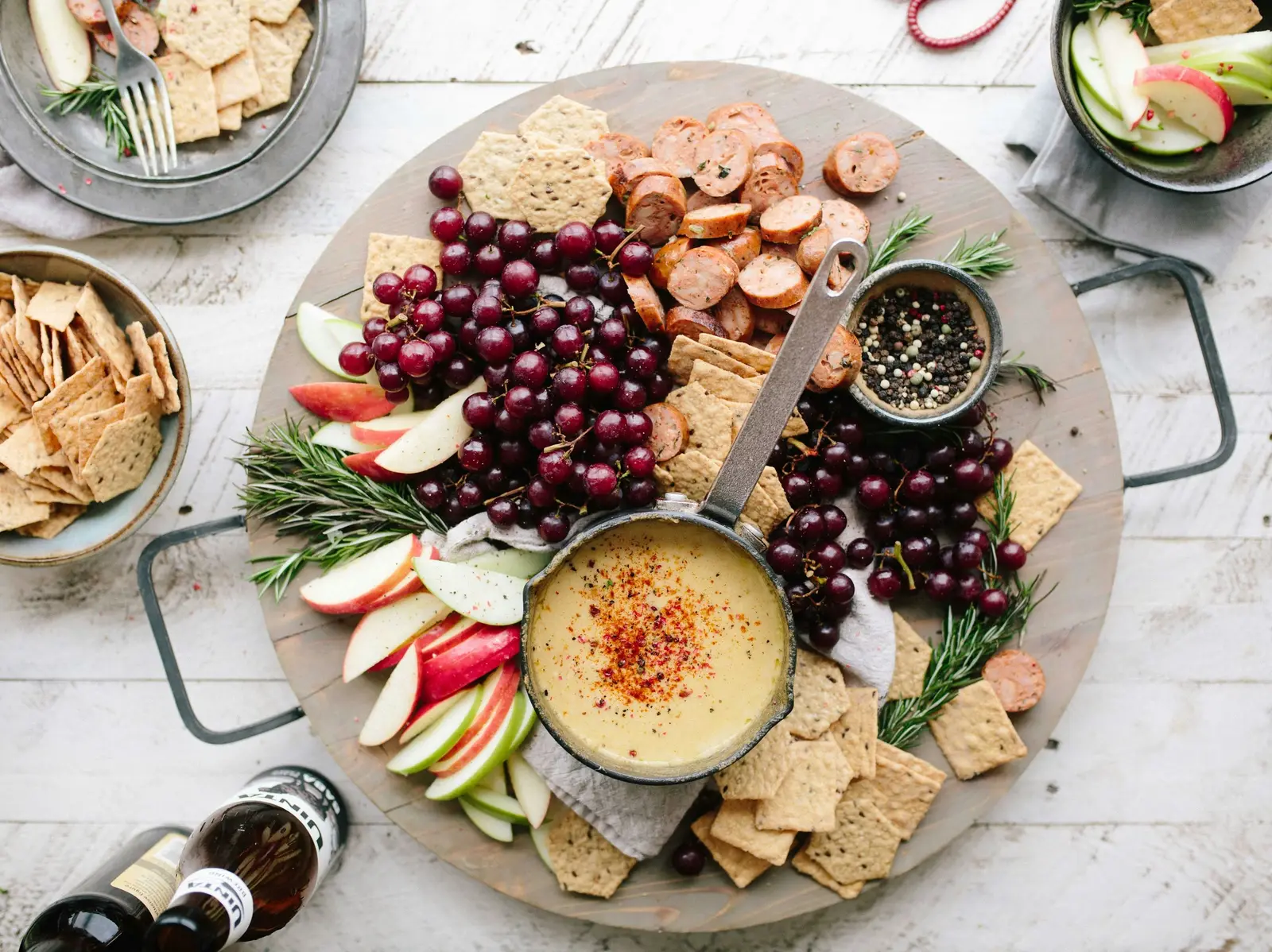
Holiday appetizers to bring that you can make the night before
Four holiday appetizers to bring that bake ahead, travel flat and taste fine at room temperature, plus what to skip, the allergens in each one, and how to pack them with a baby in tow.
Easy bean recipes for dinner when the meat price makes you wince
Ten bean dinners that cost less than the meat they replace, from stuffed peppers to chickpea curry, plus how to cook dried beans and the one safety rule that matters.
Little Spoon formula review: the 500-test claim, explained
Little Spoon's new infant formula sells itself on per-batch contaminant testing and published heavy metal results. The checks cover pesticides and pathogens; the launch left out a price.