 New Parent Lab
March of Dimes Collective: 47% say mothers feel supported
March of Dimes brought its Collective event back for a second year, with stops in New York and Los Angeles. The survey behind it found that fewer than half of adults think mothers get enough support.
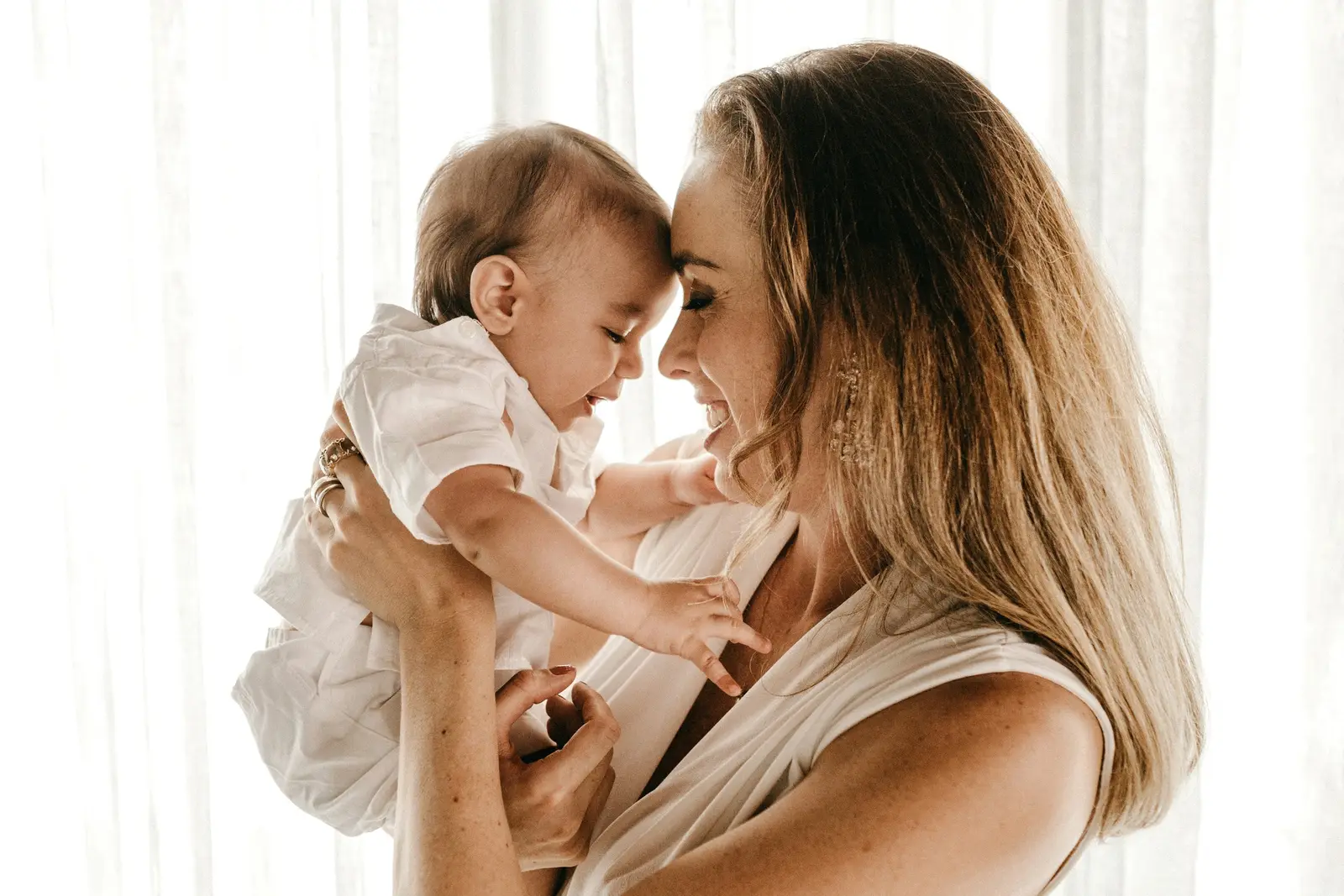
The March of Dimes Collective event is the charity's annual day of talks and advocacy on maternal health, and its second edition runs in two cities, New York and Los Angeles. The New York stop at Chelsea Piers filled a room for a lunch and a panel on postpartum mental health, with a letter-writing table for NICU mothers set up beforehand. The survey figures March of Dimes released alongside it put numbers on something most parents already suspect: fewer than half of American adults surveyed think mothers with children feel supported by the people around them.
What happens during the event
The full title is "It Starts With Mom", and the format is a seated lunch with a stage program attached, not a workshop day. Guests at Chelsea Piers arrived to appetizers and a Kendra Scott pop-up, could get a live drawing of themselves, and could write letters to mothers with babies in the neonatal intensive care unit (NICU) before sitting down to eat.
Natalie Pasquarella, an anchor at NBC 4 New York, opened the program with her own experience as a NICU mother, then spoke on stage with Cindy Rahman, March of Dimes' president and CEO, about Rahman's postpartum months with her son. A panel followed, moderated by Dr. Michael Warren, the charity's chief medical and health officer. The subjects were postpartum mental health care, the difficulty of building a support network when the people you would lean on are far away or busy, and how to advocate for yourself during pregnancy.
The survey numbers released with it
The findings went out in a press release distributed by PR Newswire on October 16, 2026, timed to the event. Among American adults surveyed:
- 47% agree that mothers with children feel supported by those around them
- 42% agree mothers have opportunities to take time for themselves
- 41% agree mothers have help caring for their children
- 28% are confident that most mothers who have mental health challenges after childbirth know where to seek help
The release does not publish the sample size, the fieldwork dates or a margin of error, so treat the four numbers as a rough reading of public opinion. The last one is the one worth carrying away. If roughly three in ten adults are confident a struggling mother knows where to turn, about seven in ten are not confident of it, and that is the gap the event was built around.
Who was on the panel
Danielle Olivera, a NICU mother, sat alongside Dr. Jennifer Wider, a women's health author and broadcaster; Dr. Nastassia K. Harris, a nurse and International Board Certified Lactation Consultant who spoke about advocating for Black women through pregnancy; and Elizabeth Baron, a licensed mental health counselor and psychotherapist.
Rahman framed the whole thing around listening: "Listening to moms, understanding their experiences, and ensuring their voices are heard are foundational to addressing the challenges we face." The survey is the part of that sentence with numbers attached, and the numbers say most people assume the mother next to them in the waiting room has somewhere to go with what she is feeling.
If you are the mother in the 28%
Not knowing where to turn is a practical problem with a practical answer. Tell your midwife, obstetrician or health visitor how you are feeling at your postpartum check, and bring it forward if things are getting worse. In the US the routine visit usually lands around six weeks, which is a long time to sit with anxiety, rage or intrusive thoughts on your own.
Say it to one person who can act on it. "I need you to call my doctor's office today" works better than hoping someone notices. If you are having thoughts of harming yourself or your baby, that is an emergency, and the route is your local emergency number or the nearest emergency department rather than the next scheduled appointment. This is general information, not medical advice; the clinician who sees you is the one who can assess you.
Asking for specific help beats asking for a village
The panel spent time on the need for a village at a moment when villages are thin. The usable version of that, with a six-week-old in the house: name the task and the time. "Can you take the 2am to 5am shift on Thursday" gets a yes or a no. "Let me know if you need anything" gets nothing. When someone offers, hand them something specific while they are still standing in your kitchen.
Can you get a ticket?
The press release lists no ticket price, no registration link and no date for the Los Angeles stop. Coverage of the New York morning describes invited guests and media sponsors, so this reads as an industry and press event rather than something you buy your way into. The parts that travel are the survey and the panel, both of which are now public.
Frequently asked questions
- What is the March of Dimes Collective event?
- It is a March of Dimes event on maternal health, now in its second year. It combines a lunch, a panel and advocacy talks, and in 2026 it runs in New York and Los Angeles. The New York stop at Chelsea Piers included a panel on postpartum mental health and a letter-writing table for NICU mothers.
- When is the March of Dimes Collective event?
- The second edition is bi-coastal, with stops in New York and Los Angeles. The announcement went out on October 16, 2026. The Los Angeles date is not listed in the press release.
- Can I buy a ticket to The Collective?
- No ticket price or public registration link appears in the material March of Dimes released. Coverage of the New York stop describes invited guests and media sponsors. The charity's own site is the place to check for anything the public can attend.
- What percentage of adults think mothers get enough support?
- 47% of those surveyed agree that mothers with children feel supported by the people around them. Smaller shares, 42% and 41%, agree that mothers get time for themselves and help with childcare.
- How many people know where to get help for postpartum mental health?
- 28% of respondents were confident that most mothers facing mental health challenges after childbirth know where to seek help. The sample size and margin of error were not published with the figure.
More guides for you

UK vs US raising kids cost: birth costs $18,865 without insurance
The UK is cheaper at birth and for health care, but childcare, leave and salaries change the math. Here is what the averages compare, and where the US bill lands.

Anonymous mom confessions: 60 entries on tiredness and help
Anonymous mom confessions are short, unsigned messages parents send to a publication, which prints them in a weekly roundup. Read in bulk, they're mostly about exhaustion and having no help.

Parenting tips for moms: 3 questions before you take anyone's advice
Nine in 10 moms say nothing prepares you for it. A sort-and-filter approach to advice, one hobby that is yours, and specific asks make the first three years easier to carry.