 New Parent Lab
Preparing for pregnancy: the 6-month changes that matter most
A plain preconception plan: come off hormonal birth control three to six months ahead, take 400 micrograms of folic acid daily, and book the checks that are easier before pregnancy.
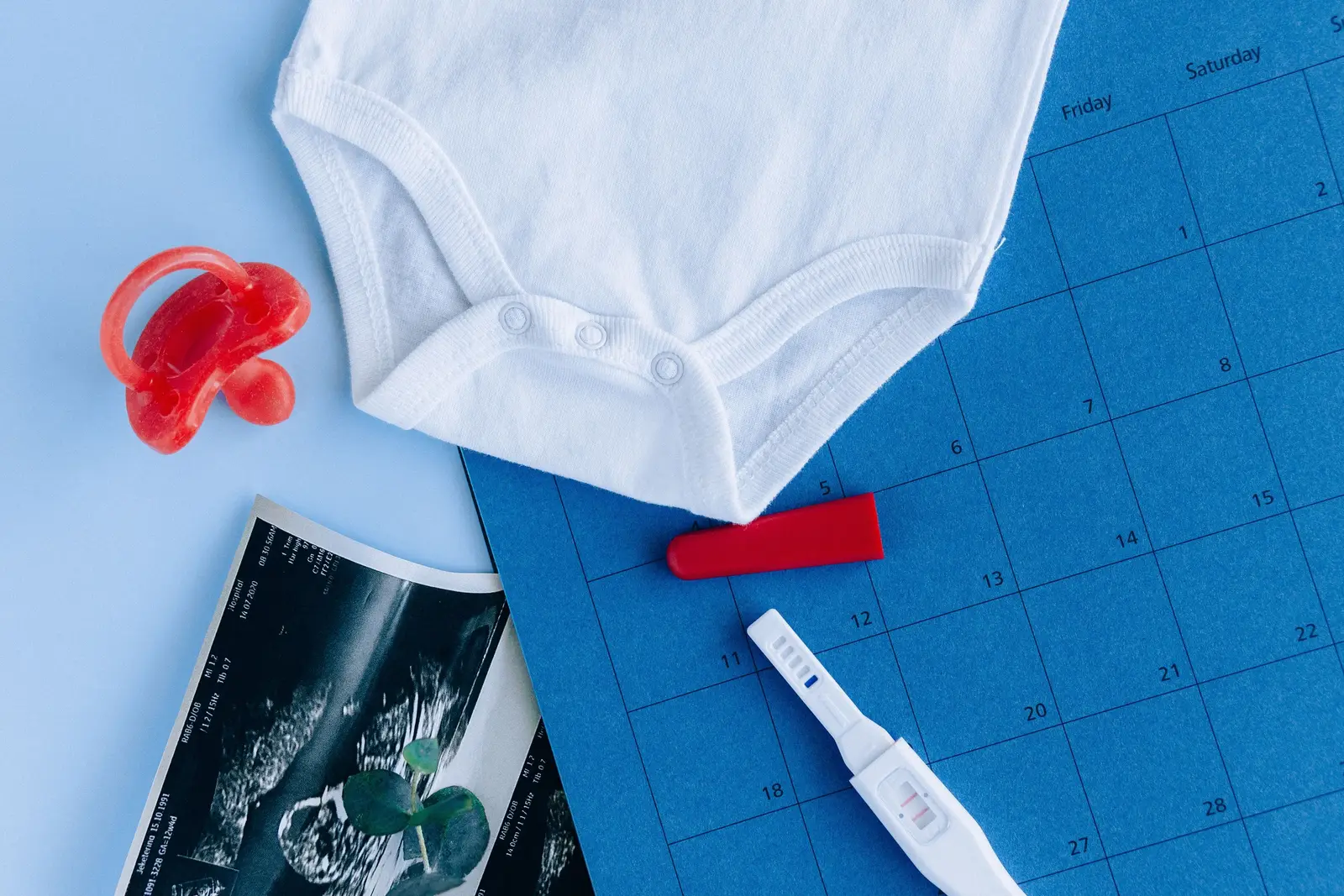
How to prepare for pregnancy comes down to a short list you can start on this week: get three to six months ahead of yourself, come off hormonal contraception, take folic acid daily, and book the checks that are simpler before conception than during pregnancy. The rest is mostly about giving your body ordinary conditions to conceive in. The NHS says most couples conceive within a year of regular sex, so hold a year in your head as a timeline rather than a deadline.
Why the three-to-six-month window exists
There's no fixed waiting period after hormonal contraception. Dr Philippa Kaye, the resident GP at MadeForMums, says "there is no length of time that you must or should wait" before you start trying. Three to six months before you'd ideally conceive is a useful buffer: it gives your cycle time to regulate and your periods time to come back, which makes ovulation easier to predict.
You can get pregnant in the first cycle after stopping the combined pill. The body restarts ovulation quickly, and for some people periods return the following month. For others it takes around three months.
That's why the six-month mark is worth a diary note. If your periods haven't restarted six months after stopping hormonal contraception and you aren't pregnant, book a GP appointment. Absent or very irregular periods at that point are worth investigating rather than waiting out.
Folic acid, and the timing that matters
Take 400 micrograms of folic acid daily, starting before you try and continuing until 12 weeks of pregnancy. Neural tube defects such as spina bifida develop in the first weeks after conception, often before a test would be positive. That's the reason the supplement starts before conception rather than after.
Some parents need a higher dose on prescription: those with a family history of neural tube defects, diabetes, epilepsy, or a higher body mass index. Ask your GP or pharmacist about a higher dose rather than taking several over-the-counter tablets.
Vitamin D is the other supplement to start now. The NHS advises 10 micrograms a day for everyone, and that carries on through pregnancy.
The appointments to book before you're pregnant
A handful of checks are easier to do now than at any point in the next year.
- A medicines review: tell your GP and pharmacist you're planning a pregnancy, including repeat prescriptions and anything you buy over the counter.
- Cervical screening, if yours is due.
- A sexual health screen, particularly if you've changed partners or have symptoms.
- A dental check, with any treatment finished before you conceive.
- Vaccination status: ask whether you're immune to rubella and chickenpox. Both are live vaccines, so they can't be given during pregnancy.
Sodium valproate is the medicine most likely to need changing. It's used for epilepsy and bipolar disorder and carries a high risk of birth defects and developmental problems, so planning a pregnancy on valproate means a conversation with your specialist before conception, never a sudden stop. Some medicines for high blood pressure and severe acne also need switching. One appointment with your GP works if you bring the full list, including supplements and herbal remedies.
Smoking, alcohol and caffeine
Smoking affects fertility in both partners and raises the risk of miscarriage and low birth weight. Stopping is the change with the clearest payoff, and your GP can refer you to a stop-smoking service if going cold turkey hasn't worked before.
There's no known safe amount of alcohol in pregnancy, so the advice is to stop while you're trying. If stopping completely isn't realistic right now, cut down as far as you can and say so honestly to your GP or midwife. Support works better than a lecture.
Caffeine is worth watching. The NHS advises no more than 200mg a day during pregnancy, and it adds up across coffee, tea, cola, chocolate and energy drinks.
Your partner is half the equation. Smoking, heavy drinking and recreational drugs all affect sperm quality, and the fixes are the same ones. Evidence on heat, from laptops on laps to hot baths, is thin. Avoiding them costs nothing, but nobody has shown it changes the odds.
How often to have sex when you're trying
Every two to three days across the month covers the fertile window without anyone tracking anything. Sperm survive for several days in the reproductive tract, so consistent sex in the days before ovulation matters more than hitting the exact day.
There's no benefit to saving up for ovulation day. Ovulation predictor kits help if your cycles are irregular. Temperature charts tell you ovulation has already happened, which is more use for spotting a pattern over several months than for timing this cycle.
No position, pillow or lying still afterwards has been shown to improve the odds. If someone tells you otherwise, they're guessing.
When to ask for help
NHS guidance is to see your GP if you haven't conceived after a year of regular unprotected sex, or after six months if you're 35 or over. Go sooner, without waiting, if your periods are very irregular or absent, if sex is painful, if you've had pelvic surgery or an ectopic pregnancy, or if either partner has a known fertility problem. Bring your partner to that appointment if you can, because the GP will ask about both of you.
Frequently asked questions
- Can I get pregnant straight after stopping the pill?
- Yes. Ovulation can return within weeks of stopping the combined pill, and some people conceive in the first cycle. The three-to-six-month window is about making your cycle easier to read, not about waiting for your fertility to come back.
- How long before trying should I start folic acid?
- Start before you begin trying, ideally a few months ahead, and keep going until 12 weeks of pregnancy. If you conceive sooner than planned, start the day you find out.
- Do I need to wait three months after stopping the pill?
- No. There's no required waiting time. Waiting a few months can make your periods and ovulation easier to predict, which is handy but not a health requirement.
- How often should we have sex to conceive?
- Every two to three days across the month. That covers the fertile window without anyone needing to predict ovulation, and it takes the pressure off any single day.
- Does my partner need to do anything?
- Yes. Stopping smoking, cutting back on alcohol and reviewing medicines all affect sperm. Sperm take roughly three months to mature, so changes made now show up in the following months.
- When should I see a doctor about not getting pregnant?
- After a year of regular unprotected sex, or six months if you're 35 or over. Go sooner for very irregular periods, painful sex, a history of pelvic infection or surgery, or a known fertility issue in either partner.
More guides for you

Pregnancy week by week: weeks 1 and 2 come before conception
Pregnancy is counted from the first day of your last period, so weeks 1 and 2 pass before conception. What forms in each trimester, which size comparisons to trust, and what to ask your provider.

UK vs US raising kids cost: birth costs $18,865 without insurance
The UK is cheaper at birth and for health care, but childcare, leave and salaries change the math. Here is what the averages compare, and where the US bill lands.
Measles elimination status lost: what 5,400 US cases mean for you
PAHO revoked US measles elimination status on November 17, 2026, after a year of continuous spread. What the 5,400 cases and 10 deaths mean for parents, and who should check their MMR record.