 New Parent Lab
Measles elimination status lost: what 5,400 US cases mean for you
PAHO revoked US measles elimination status on November 17, 2026, after a year of continuous spread. What the 5,400 cases and 10 deaths mean for parents, and who should check their MMR record.
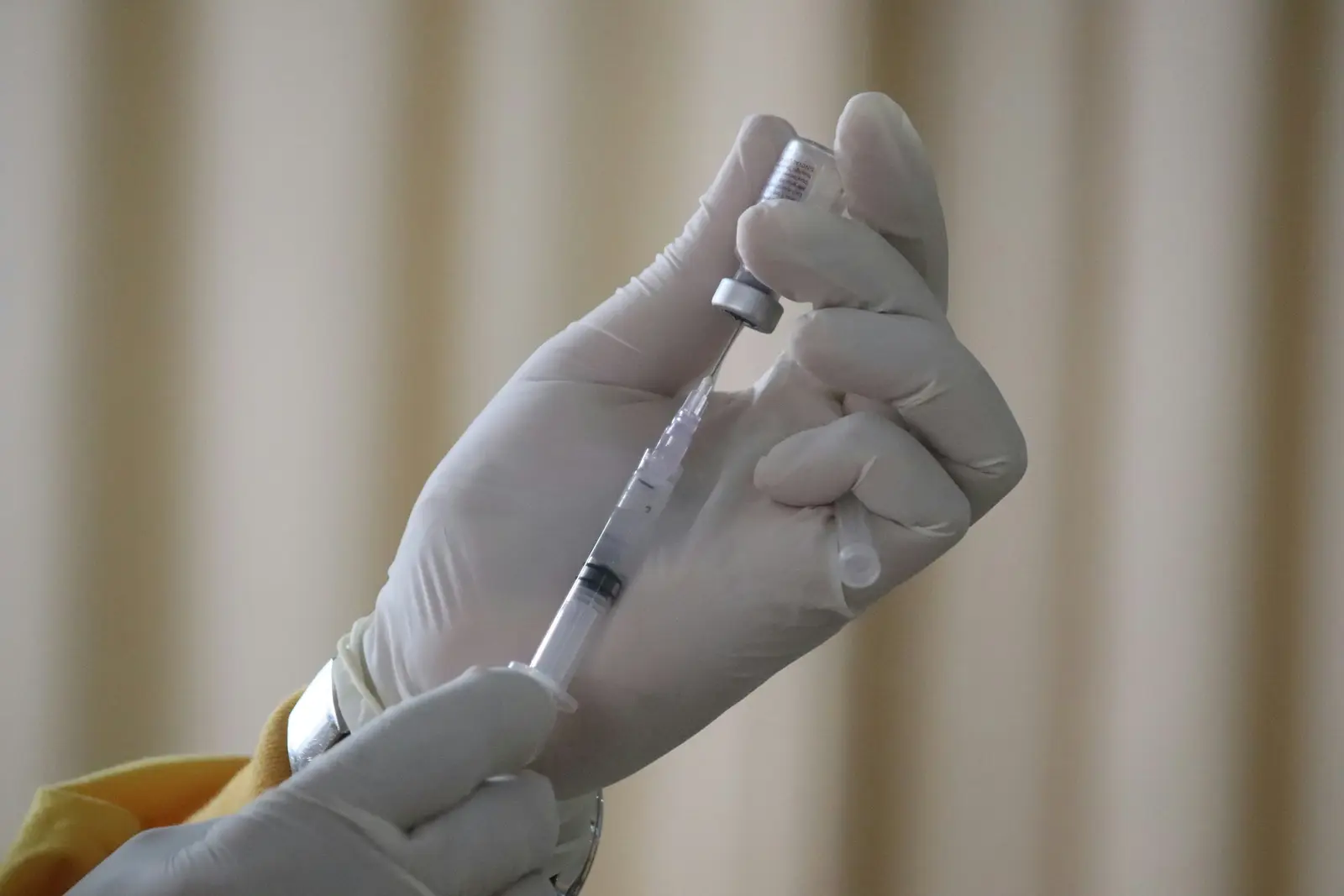
The United States no longer has measles elimination status. PAHO, the World Health Organization's regional arm for the Americas, announced on Tuesday, November 17, 2026, that measles has circulated without a break in the US for more than a year. The virus is endemic here again, for the first time since 2000. Mexico and Bolivia lost the same designation in the same announcement.
What elimination status actually measures
The designation tracks uninterrupted transmission. A country keeps elimination status as long as it can show 12 months without continuous local spread of a virus, and it survives imported cases and small clusters as long as each one is contained. The US held the status from 2000 until this week. That is why most parents under 40 have never had a reason to think about measles.
How the outbreak ran past every checkpoint
The current outbreak started in West Texas in January 2025. By January 2026 it was still spreading. PAHO had scheduled a review of the US designation for April 2026, and the CDC asked for more time while it worked out whether cases were being caught at home or brought in from abroad. The review slipped, the cases kept arriving, and by the time PAHO met the answer was continuous domestic transmission.
Ten people have died, including an infant in Wisconsin this month and a child in New York State. Confirmed cases for 2026 have passed 5,400, the highest count in the US in 35 years.
What the officials said
PAHO's director, Dr. Jarbas Barbosa da Silva Jr., said the situation needs urgent action and that losing the label has consequences beyond paperwork: 'It means the virus has circulated for a prolonged period of time, putting families and communities at risk of preventable illness, hospitalization, and death.' Dr. Peter Hotez, co-director of the Center for Vaccine Development at Texas Children's Hospital in Houston, put it shorter: 'Basically, measles is back.'
Michael Bloomberg, the former New York City mayor who funds public health programs, called the loss 'a damning indictment of federal health leadership' in a post on X and named vaccine skepticism as a driver. Reporting on the outbreak has pointed at declining vaccination rates and at federal health leadership, including HHS Secretary Robert F. Kennedy Jr. Kennedy said in a post that HHS will 'stop measles outbreaks, protect American families, and work to regain U.S. measles elimination status,' and repeated that he recommends MMR vaccination as the most effective way to prevent measles.
PAHO's own statement was not entirely a rebuke. Barbosa told Newsweek the agency commended the US for 'strengthened surveillance, timely case detection and response, targeted vaccination activities, and coordination across the public health system.'
What changes for your child
The recommended schedule is the same one it was last week. The CDC and the American Academy of Pediatrics recommend a first measles vaccine dose between 12 and 15 months of age, with a second dose later in childhood. What has changed is the risk around a child who is not yet vaccinated. Measles moves through the air, so a case in a clinic waiting room or a cousin's household can reach a baby who was never near the sick person.
Babies under 12 months have the least cover, because the routine dose comes after the first birthday. If you live in an area with active spread, or you are traveling, ask your pediatrician whether an earlier dose makes sense for your baby. That is a decision about your child's age, health and destination, and it belongs with your doctor rather than with a blog post.
This is general information, not medical advice. Your pediatrician or your local health department can pull up your child's record and tell you what, if anything, is missing.
Who should check their own record
Adults fall out of these conversations, and they shouldn't. If you were vaccinated decades ago, had a single dose, or have no paperwork either way, ask your doctor whether you need an MMR dose. Do it before a pregnancy rather than during one, since the timing of vaccines in pregnancy is something your doctor needs to weigh. People who work in schools, clinics or childcare have a stronger reason to sort out their paperwork now.
How the status comes back
Countries that lose elimination status must file a corrective action plan with PAHO explaining how they will regain it. Barbosa said the US is expected to submit its plan in the coming weeks. Getting the designation back means going a full year without continuous transmission, so the timeline depends on how fast vaccination gaps close in the communities where measles is currently moving.
For a parent, the useful move this week is small and boring: find the vaccination record, check the dates on the MMR line, and book an appointment if something is missing.
FAQ
- What does it mean that the US lost measles elimination status?
- It means measles has spread continuously inside the country for more than a year, so the virus is now considered endemic in the US. The designation, held since 2000, is about uninterrupted transmission rather than the total number of cases. Mexico and Bolivia lost the same status in the same PAHO announcement.
- When did the US lose measles elimination status?
- November 17, 2026. PAHO announced the decision that Tuesday after a review that had originally been scheduled for April 2026 and was delayed at the CDC's request while it sorted out which cases were domestic and which were imported.
- Do I need a measles booster?
- Ask your doctor, and bring whatever record you have. Adults with no documentation of two MMR doses are the ones most likely to need a dose. Anyone pregnant or planning a pregnancy should raise it with their doctor before acting.
- Should my baby get the MMR vaccine before 12 months?
- The routine first dose is at 12 to 15 months, per the CDC and the American Academy of Pediatrics. An earlier dose is sometimes recommended for babies in an outbreak area or before international travel. That call needs your pediatrician, who knows your child's history and destination.
- Is measles still spreading in the US?
- Yes. The 2026 total has passed 5,400 confirmed cases with 10 deaths, and PAHO determined transmission never stopped for a full year. Cases are concentrated in under-vaccinated communities, so the local picture varies by county. Your health department publishes current counts for your area.
More guides for you

E-bike safety for kids: what the ER data says about age
E-bike injuries in children are climbing fast: 33% more each quarter in a six-hospital study. Here's who is old enough, which class to buy and when a crash needs the ER.

Microbiome gummies: what they do and what they cost you
Gut health gummies are everywhere and most of them are a waste of money. What a healthy gut actually looks like, and when a supplement earns its place.

UK vs US raising kids cost: birth costs $18,865 without insurance
The UK is cheaper at birth and for health care, but childcare, leave and salaries change the math. Here is what the averages compare, and where the US bill lands.