 New Parent Lab
Microbiome gummies: what they do and what they cost you
Gut health gummies are everywhere and most of them are a waste of money. What a healthy gut actually looks like, and when a supplement earns its place.
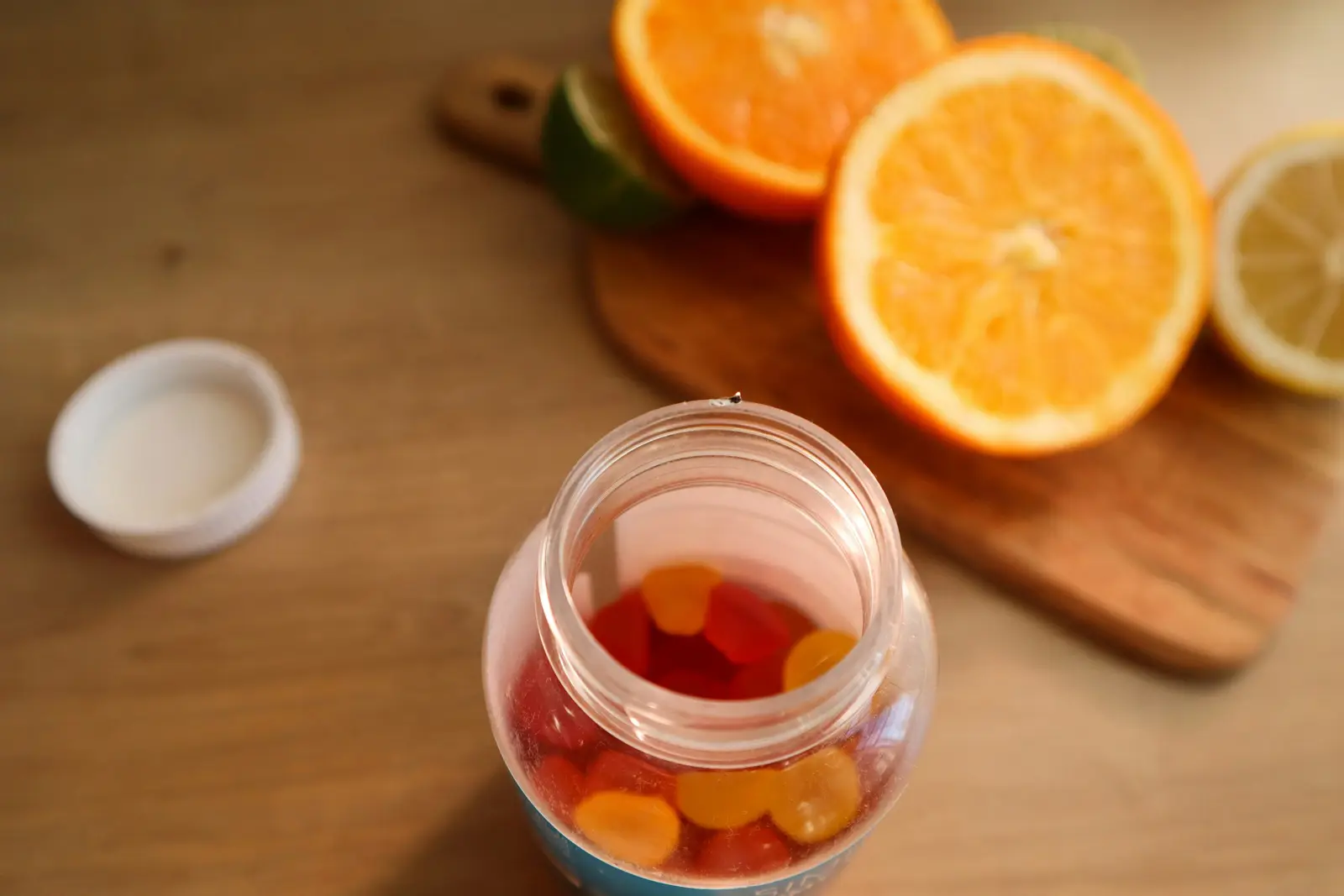
If your digestion is regular and comfortable, a chewable blend of bacteria will not make it better, and you'll pay for the privilege. If your digestion isn't fine, a gummy is the slowest and most expensive way to find out why.
The first year after birth is when this stuff finds you. You're up at 2am, your digestion is off from iron tablets, painkillers, hospital food and meals eaten standing over the sink, and an advert offers a strawberry chew that will fix all of it. The uncomfortable parts of postpartum digestion have specific causes, and a shortage of shop-bought bacteria is rarely one of them.
What gut health actually means
The American Medical Association describes gut health in terms of function. Your gastrointestinal tract absorbs the nutrients you need, your bowel movements are regular, and you're comfortable most of the time. There's no score to chase and no test that tells you your microbiome is underperforming.
Chloe Melas, an NBC News correspondent who wrote The Girl's Guide to Guts and lives with ulcerative colitis, described her version of it in an interview with Scary Mommy: no constant bloating, no racing to the bathroom with loose stools, no going days constipated, no brain fog, and enough energy to sleep well. She added that it looks different for everybody. Every item on that list is a symptom you can notice in your own week.
Why a gummy is a poor home for bacteria
Your intestines hold trillions of microorganisms, and the research on what they do is real. The jump from that fact to a gummy is where the argument breaks.
Probiotic bacteria are alive. Heat, moisture and time reduce how many survive, which is why the products used in clinical settings tend to be capsules, sachets or powders with a count guaranteed to the end of shelf life. A gummy is soft, moist and sugary, and it sits in a warm kitchen cupboard for months. Some gut gummies sidestep the problem by containing no live bacteria at all: turn the packet over and you may find fibre, sugar and flavourings, with the word probiotic doing the heavy lifting.
The strain matters too. The bacteria that have been studied for a particular problem are particular strains at particular doses. A blend chosen for shelf stability and price is a different product, even when the label uses the same word.
The claims don't have to be proven
In the US and the UK, supplements are regulated closer to food than to medicine. A company can sell a gummy without running a trial to show it does anything for anyone. Plenty of those products are honestly made. The lack of a trial requirement means "supports gut health" is a marketing phrase with no agreed definition behind it.
Gummies also carry sugar and gelling agents, and some gut health chews are a sweet with a little added fibre. If fibre is what you're after, a bowl of porridge is cheaper and does the same job.
When a supplement is worth buying
Probiotics have a narrow evidence base. There are situations where a clinician names a particular strain for a particular reason: after a course of antibiotics, for some people with irritable bowel syndrome, in specific newborn cases under hospital supervision. Those decisions involve a named product, a dose and an end point.
That's the shape of a purchase I'd make. Your GP or health visitor names a strain, you buy that one, you take it for the stated period, then you stop. What I wouldn't do is buy a mixed blend because an advert, an influencer or a friend at baby group said it changed their life.
What helps for less money
- Fibre from oats, beans, lentils, fruit and vegetables, increased slowly and with enough fluid, or you'll feel worse before you feel better.
- Water, more than you think if you're breastfeeding.
- A daily walk, even 15 minutes with the pram.
- Sleep, which is the hardest item on this list with a baby in the house and the one no gummy can replace.
- A review of your medication. Iron tablets commonly cause constipation; ask your GP or health visitor whether a different preparation or dose would suit you better.
See a GP if you have blood in your stool, unexplained weight loss, pain that wakes you, or a change in bowel habits lasting more than a few weeks. That applies to anyone at any age, and it matters more when you're exhausted and inclined to put things off.
Safety for you and your baby
Don't give a probiotic supplement to a baby or young child without a clinician telling you to. Probiotic products have caused serious infections in very premature and immune-compromised infants, which is why hospital units control exactly which strain and product they use. A gummy made for adults is the wrong product for a baby at any dose.
If you're pregnant or breastfeeding, run any supplement past your midwife or GP first, including one sold as food. Keep gummies out of reach as well: they look like sweets, and a toddler will treat them that way.
Frequently asked questions
- Are microbiome gummies worth it?
- For most people, no. A regular, comfortable gut doesn't need a supplement, and no gummy has to prove it works before it's sold. The exception is a strain your GP or health visitor names for a specific problem. Buy that exact product.
- Do probiotic gummies actually contain live bacteria?
- Sometimes, sometimes not. Some gut gummies are fibre and flavourings with no live cultures at all. Others list strains without a count guaranteed to the end of shelf life. Look for a named strain and a number that holds until expiry.
- Can I take probiotic gummies while breastfeeding?
- Ask your midwife, GP or health visitor first. Products vary, and some include herbal extras or sweeteners that haven't been studied in breastfeeding. Your clinician knows your history and your baby's.
- Are probiotic gummies safe for toddlers?
- No, not without a clinician's say-so. Probiotic products have caused serious infections in very premature and immune-compromised infants, and a gummy adds sugar and a shape a small child can choke on. Ask your health visitor before giving any supplement to a baby or toddler.
- How long do probiotic gummies take to work?
- Give it the period your clinician suggested if one named the product. If you bought it yourself, a month with no change is a fair point to stop and spend the money elsewhere.
- Do I need a microbiome test before taking probiotics?
- Probably not. Direct-to-consumer microbiome tests describe the bacteria in your sample without giving you a treatment plan, and matching a profile to a supplement isn't an established process. If symptoms persist, your GP can test for conditions that have real treatments.
- What should I take instead of microbiome gummies?
- Oats, beans, lentils, fruit, vegetables, water and a daily walk, roughly in that order. If you want to spend money on your gut, spend it on food you'll actually eat.
More guides for you

Measles elimination status lost: what 5,400 US cases mean for you
PAHO revoked US measles elimination status on November 17, 2026, after a year of continuous spread. What the 5,400 cases and 10 deaths mean for parents, and who should check their MMR record.

E-bike safety for kids: what the ER data says about age
E-bike injuries in children are climbing fast: 33% more each quarter in a six-hospital study. Here's who is old enough, which class to buy and when a crash needs the ER.

UK vs US raising kids cost: birth costs $18,865 without insurance
The UK is cheaper at birth and for health care, but childcare, leave and salaries change the math. Here is what the averages compare, and where the US bill lands.