 New Parent Lab
E-bike safety for kids: what the ER data says about age
E-bike injuries in children are climbing fast: 33% more each quarter in a six-hospital study. Here's who is old enough, which class to buy and when a crash needs the ER.
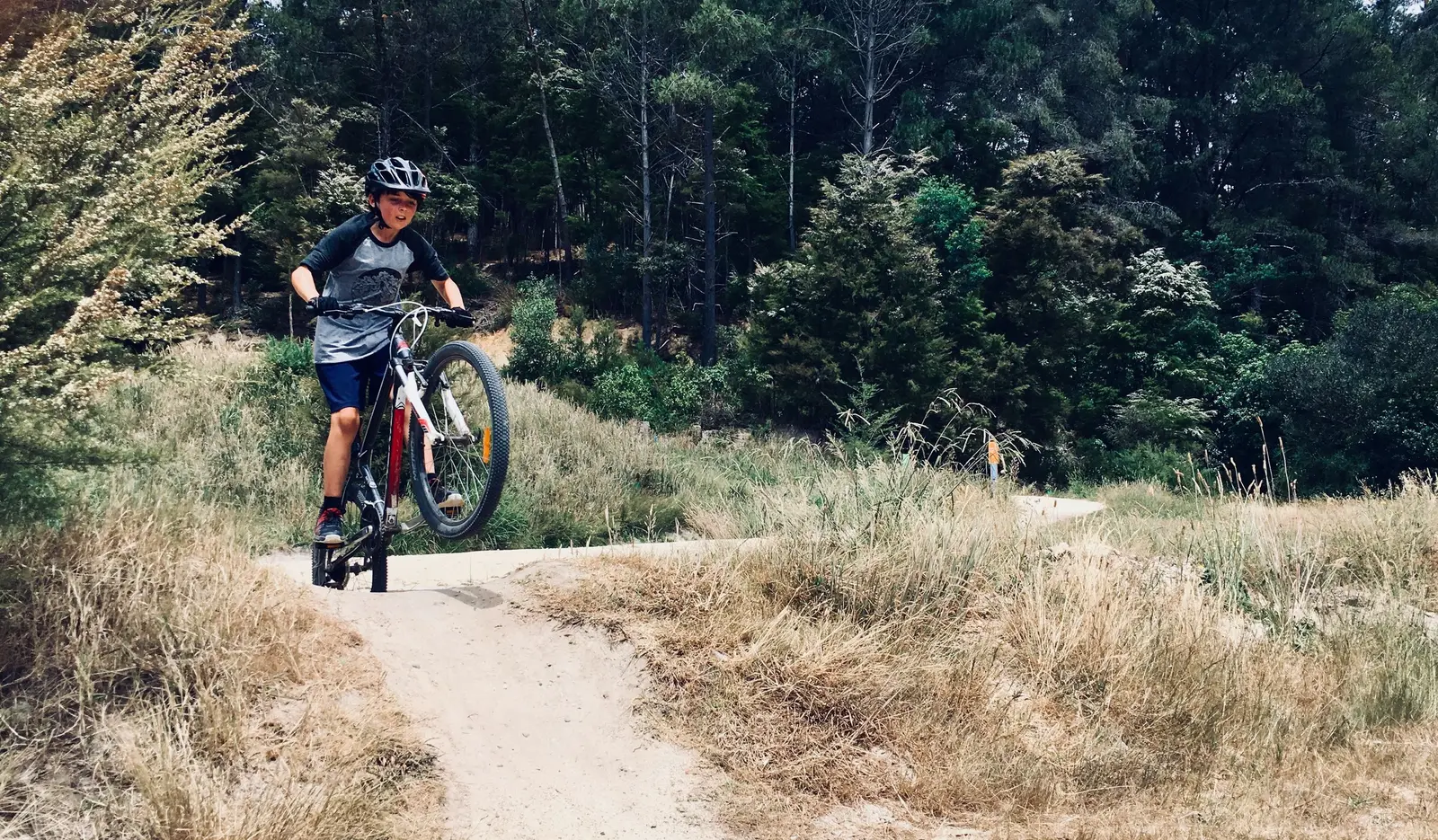
E-bike safety for kids comes down to the rider's age and the helmet, which are the two things a parent can control before the bike is in the garage. The case for waiting is stronger than most birthday wish lists suggest. A JAMA study published in November 2026 tracked more than 13,000 injury visits for children under 18 at six large U.S. children's hospitals between 2023 and early 2026. E-bike injuries grew 33% per quarter over that stretch. Traditional bike injuries grew 2%.
A quarterly growth rate is a steep measure. Three years of compounding at that pace is how a niche product becomes a regular feature of a children's emergency department. The same study found e-scooter injuries rising 15% per quarter and traditional scooter injuries rising 4%.
The figure that should stop a parent of a younger child: about a quarter of the e-bike injuries and nearly half of the e-scooter injuries involved children under 12.
Why a crash on an e-bike is worse
Two things change. A motor adds speed the rider did not generate, and the bike carries a motor and battery, so it weighs a good deal more than the BMX or hybrid it replaces. A heavier bike hits harder and takes longer to stop. A 20 mph assist also means hazards arrive faster than a 9-year-old's judgement can process them. The study's setting matters: these were visits to large children's hospitals, which is where serious trauma goes, so the numbers lean towards the crashes that ended badly rather than every scrape on the driveway.
What age is old enough
My line is 12 for a Class 1 e-bike, and only for a child who already rides a pedal bike confidently, can brake hard without wobbling, and understands where to position themselves on a road. Under 12, the injury data and the physics point to a normal bike. Under-12s made up a quarter of the e-bike injuries in that study, and a child of that age has none of the traffic experience that speed demands.
Between 12 and 15, buy a Class 1 and nothing else. A bike that only assists while the child is pedalling keeps their hands and attention in the same place a pedal bike does, and a sudden burst of power from a throttle is exactly what you don't want from a startled rider.
At 16, the throttle classes open up, and so does traffic. Check your state's age rules before you buy, because the minimum age and helmet requirements differ by class and by state. A bike that is legal for your 16-year-old to ride to school may not be legal for their 13-year-old friend.
Know the three classes before you buy
Class 1 is pedal assist only and the motor cuts out at 20 mph. Class 2 adds a throttle, also capped at 20 mph, so the rider can accelerate without pedalling. Class 3 assists up to 28 mph, which is moped territory. For a young teenager you want Class 1, and many states set a minimum age of 16 for Class 3 along with a helmet requirement. Whatever you buy, check that the brakes are disc or well-adjusted and that your child can hold the bike upright at a standstill. A bike they can barely keep off the ground at the school gate is a bike they will stop riding.
The helmet is the part not to get wrong
Buy a helmet certified for bicycles (in the U.S., look for the CPSC sticker inside) and fit it properly: level on the head, covering the forehead, straps meeting in a V under each ear, and no more than two fingers of slack under the chin. For a faster class, a full-face helmet with a chin bar is worth the extra money. Replace any helmet that has taken a hit, even if the shell looks fine. Gloves, closed-toe shoes, and a bright top help a driver see a small rider, and lights are not optional on an e-bike that will be used at dusk.
Ground rules for the first month
- First rides in an empty car park or on a closed path, with you watching.
- Ride the school route together, at the time of day they will ride it, before they do it alone.
- Agree the streets they can use and the ones they can't.
- Walk the bike across junctions instead of riding through them.
- No passengers on the back, and no headphones.
- Charge the battery on a hard surface with the charger that came with the bike, and don't leave it charging overnight in a hallway or by an exit.
When a crash means the emergency department
Call emergency services after any head impact with loss of consciousness, a seizure, repeated vomiting, confusion, unequal pupils, fluid from the nose or ears, or a headache that gets worse rather than easing. Go the same day for neck or back pain, numbness or weakness in an arm or leg, a limb that looks deformed or cannot take weight, severe abdominal pain, heavy bleeding that pressure does not stop, or a helmet that cracked in the fall. A knock to the head that looks mild can still be a concussion, and if you are unsure, get your child checked rather than watching them overnight at home.
If you already bought one
Most e-bikes let you dial down the assist, and that is the first thing to do. Ride in the lowest mode, or use a display or app setting to lower the top speed if the bike allows it. Then ride with your child for the first few weeks instead of sending them out alone. Check the brakes and tyres weekly, because the extra weight wears through pads faster than on a pedal bike. If the frame is too big, swap it: your child should be able to stand over the bike with both feet flat and reach the ground with their toes while seated.
Frequently asked questions
- Can a 10-year-old ride an e-bike?
- Not on a road, in my view. About a quarter of the e-bike injuries in the JAMA study were in children under 12, and a 20 mph assist leaves no room for a mistake. A 10-year-old on a pedal bike on a quiet street is a different risk from a 10-year-old on a motorised one near traffic.
- What age should a child get an e-bike?
- 12 or 13 for a Class 1, if they already ride well and can brake hard without losing control. Wait until 16 for a throttle bike. Check your state's minimum age for each class before you buy, because it varies and Class 3 often requires 16.
- Are e-scooters safer than e-bikes for kids?
- No. E-scooter injuries rose 15% per quarter in the same study, and nearly half involved children under 12. A standing rider has less stability and less protection than a seated one, so I would hold off on scooters even longer than on bikes.
- Does my child need a different helmet for an e-bike?
- No special standard, just a proper bicycle helmet that fits: CPSC certified in the U.S., level on the head, and snug enough that it does not shift when they shake their head. Replace it after any impact. For faster classes, a full-face helmet with a chin bar is worth considering.
- When should we go to the ER after a bike crash?
- Any head impact with vomiting, confusion, drowsiness, a seizure, unequal pupils or loss of consciousness. Also go for a limb that cannot take weight, numbness, severe stomach pain, or bleeding that pressure does not stop. If you are unsure, get them seen the same day.
More guides for you

Measles elimination status lost: what 5,400 US cases mean for you
PAHO revoked US measles elimination status on November 17, 2026, after a year of continuous spread. What the 5,400 cases and 10 deaths mean for parents, and who should check their MMR record.

Microbiome gummies: what they do and what they cost you
Gut health gummies are everywhere and most of them are a waste of money. What a healthy gut actually looks like, and when a supplement earns its place.

UK vs US raising kids cost: birth costs $18,865 without insurance
The UK is cheaper at birth and for health care, but childcare, leave and salaries change the math. Here is what the averages compare, and where the US bill lands.